Sign in. It’s quick, free and it’s up to you.
An account is an optional way to support the work we do. Find out more.
Sign in. It’s quick, free and it’s up to you.
An account is an optional way to support the work we do. Find out more.
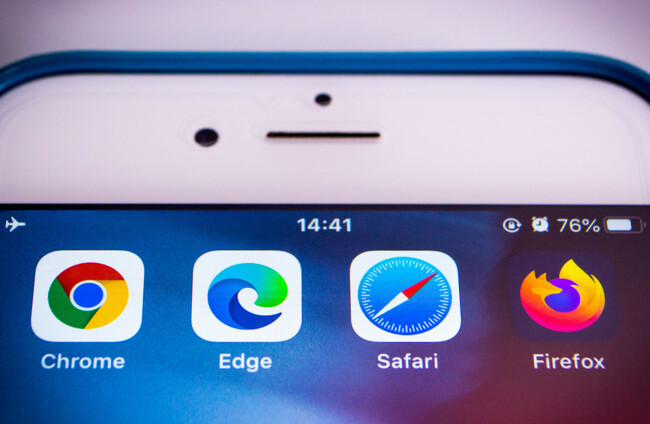
APPLE IS MAKING major changes to their in-house app store, web browser and agreements with app developers in ongoing efforts to adhere to new EU regulations.
The company announced today that their notorious ‘App Store’ and ‘Safari’ web browser will soon be competing with other online app marketplaces and browsers as it will allow iOS users to choose their own defaults in March.
These are ongoing efforts by the tech firm to remain in line with the new, strict Digital Markets Act (DMA) from the European Union.
The DMA aims to achieve a level playing field for apps, services and marketplaces on all smart devices. It squashes Apple’s long-running practice of creating an ‘Apple Ecosystem’ – where users are subject to using the company’s own services over others, by default, on its devices.
As part of changes rolling out on 7 March, iPhone and iOS users in the EU will have the ability to use separate, competing app stores instead of only being permitted to use the company’s infamous ‘App Store’.
It will also include prompts to use PayPal, Stripe, Square or other payment service providers that compete with the company’s ‘Apple Pay’, when making an in-app purchase or buying an app from their store.
It will also allow developers, who have apps hosted in their store, to use their own payment pathways.
In a move that could cost the company, it also is decreasing the commission it takes from app developers, from 15-30%, down to 10-17% in Europe only.
Apple will also not collect any commissions on in-app transactions completed through alternative payment systems.
Apple Fellow, Phil Schiller said despite the changes, the company will continue to priorities “creating the best, most secure possible experience for our users in the EU and around the world”.
Separately, users in the EU will be prompted when opening the Safari web browser with an offer to change their default browser to a competitor when using their device, such as Google’s ‘Chrome’ or Mozilla’s ‘Firefox’.
Apple, in a press statement today, said while the move is to keep in line with the DSA, the new measures “interrupts EU users’ experience the first time they open Safari intending to navigate to a webpage”.
It added that the company believes opening up the iPhone to outsiders will increase the chances that consumers venturing outside its proprietary system will be exposed to hackers and other security problems.
The firm said it is taking what it sees as a risky step only to comply with EU rules that take effect.
Includes reporting by Press Association

To embed this post, copy the code below on your site












have your say